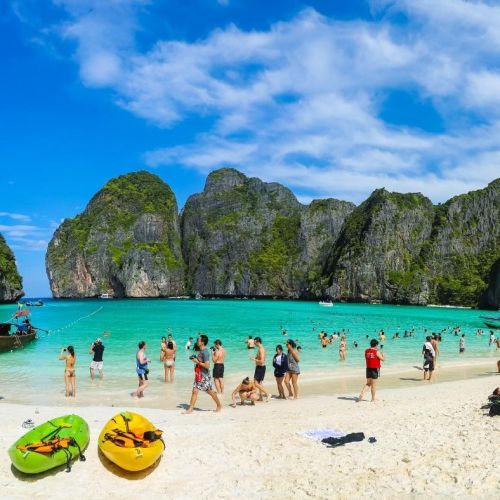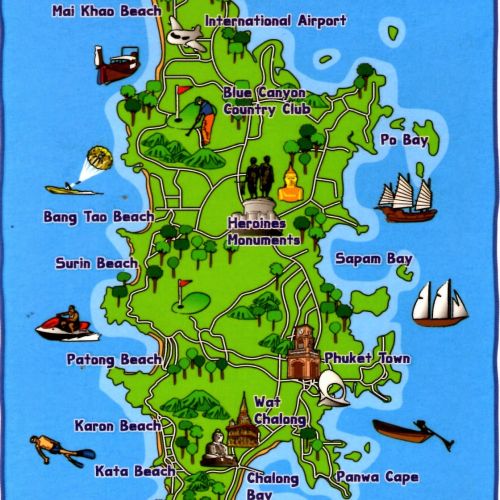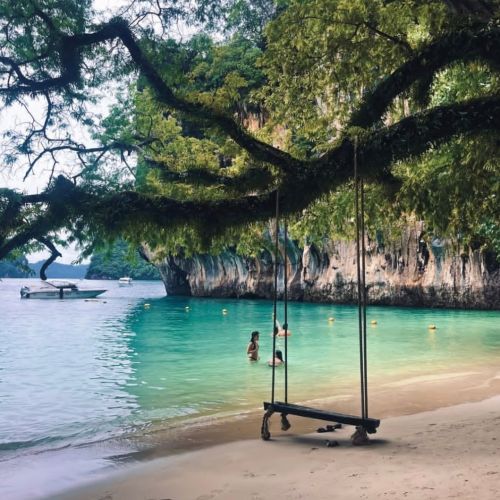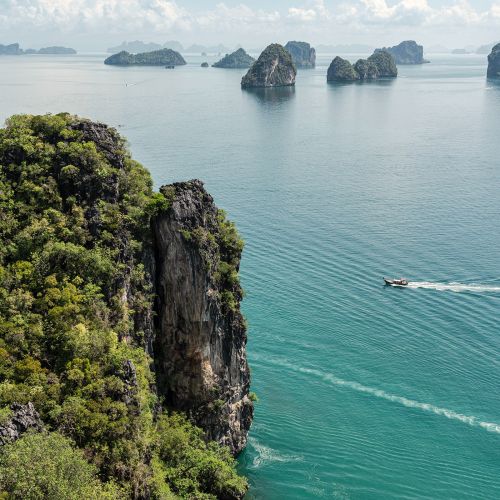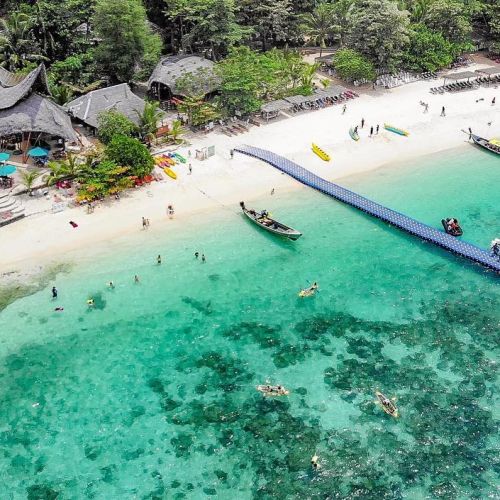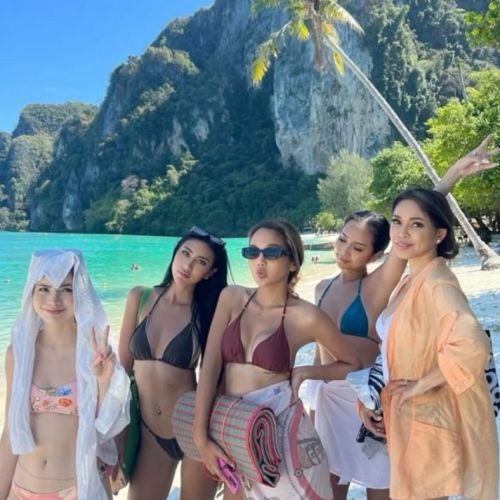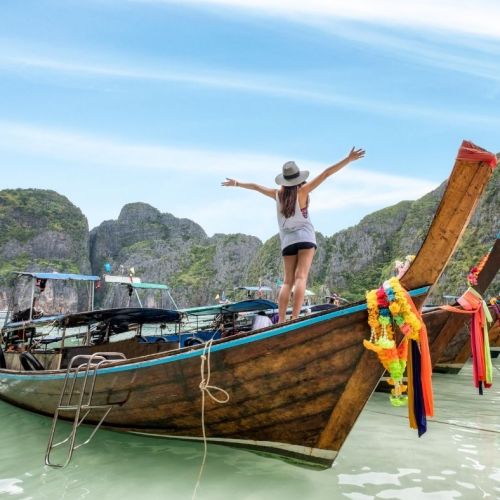
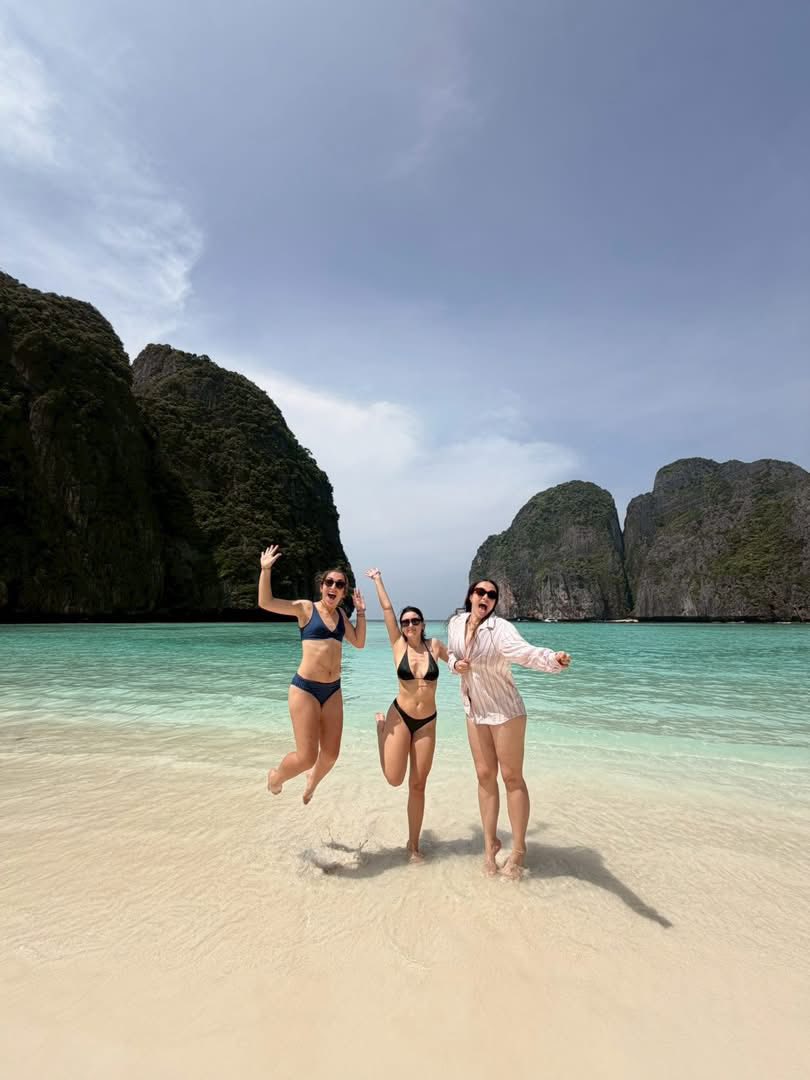
The Phi Phi Island tour from Phuket/Krabi takes 8–10 hours. It is best for families and couples seeking crystal-clear lagoons and iconic movie locations. Indian vegetarian lunch is widely available on Phi Phi Don.
- Best Time: November to April (Calm seas, 28°C–32°C).
- Travel Time: 45 mins (Speedboat) | 90 mins (Catamaran).
- Cost: ₹4,500 – ₹11,000 (1,900 – 4,500 THB) per person.
- Top 3 Spots: Maya Bay, Pileh Lagoon, Monkey Beach.
- Indian Food: 8/10 (Most buffets offer Dal, Jeera Rice, and Pasta).
Professional “Safety & Hygiene” Section
🩺 The Doctor’s Guide to a Safe Phi Phi Trip
By our Founder, a Clinically Trained in Critical Care
While the Phi Phi Islands are a paradise, the tropical environment and marine logistics require specific precautions, especially for Indian families. Here is my medical perspective on staying safe.
1. Motion Sickness Management (The Inner-Ear Factor)
Boat transit to Phi Phi can be “bumpy” due to Andaman Sea swells.
- The Pharmacological Approach: For adults, I recommend an anti-emetic (like Ondansetron) taken 30 minutes before boarding. Don’t wait until you feel nauseous—by then, the gastric emptying has already slowed, and oral meds are less effective.
- Seating Tip: Sit in the aft (rear) third of the boat. This is the “neutral axis” of the vessel and experiences the least vertical displacement compared to the bow (front).
2. Spine & Joint Safety (Speedboat Ergonomics)
Speedboats “slam” against waves. This vertical impact can be hard on the lumbar spine.
- Doctor’s Order: Never sit in the very front (bow) of a speedboat if you have a history of back pain or are traveling with seniors.
- Posture: Keep your knees slightly bent and feet flat on the floor to act as “shock absorbers.” Avoid “locking” your spine against the seat back during high-speed transit.
3. Tropical Hygiene & Infection Control
- The Buffet Protocol: At the Phi Phi Don lunch buffets, the “Danger Zone” for bacterial growth is between 5°C and 60°C. Stick to high-turnover hot sections (Dal, Rice, Pasta). Avoid pre-cut fruits that have been sitting out in the humidity.
- Hand Sanitization: Use a 70% alcohol-based sanitizer immediately after using boat handrails or snorkeling gear. Marine environments are high-moisture hubs for communal bacteria.
4. Marine & Wildlife Hazards
- Monkey Beach: Do not feed the macaques. Beyond the risk of bites, monkeys in tourist areas can carry B-Virus or Rabies. If bitten, the standard clinical protocol is immediate irrigation with soap and water for 20 minutes, followed by a trip to a Phuket/Krabi clinic for Post-Exposure Prophylaxis (PEP).
- Jellyfish Safety: If stung by a jellyfish, vinegar (usually available on the boat) is the first-line treatment to neutralize nematocysts. Avoid using fresh water, as the osmotic change can trigger more venom release.
5. Hydration & Electrolytes
The Thai sun + saltwater leads to rapid insensible water loss.
- Clinical Tip: For Indian travelers used to spicy diets, the added heat of Thailand can lead to quicker dehydration. Carry ORS (Oral Rehydration Salts) sachets to mix with bottled water—don’t rely on soda or “fruit shakes” for hydration.
Trip Information
-
Pick up by Bus
-
Hotel Lobby
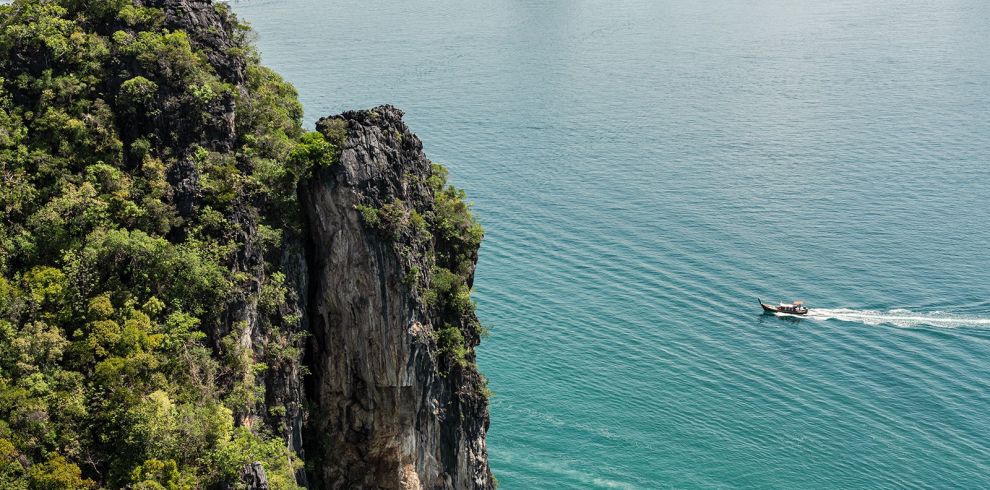
Phi Phi Island Tour
Phi Phi Island tours from Phuket typically offer full-day (8-12 hour) speedboat or catamaran trips, usually including popular spots like Maya Bay, Pileh Lagoon, Monkey Beach, and snorkeling at Bamboo Island.